
Experience: I tried sleeping like a Victorian for a week
By Kat Rhoads | Featured Image: Kat Rhoads
Have you ever woken up naturally in the middle of the night, feeling a sudden sense of wakefulness or a jolt of productivity? This experience may not be a glitch.
The sleep schedule we know today is monophasic sleep, one uninterrupted block of sleep within 24 hours. In the Victorian era, many people used to practice biphasic sleep, characterised by two sleep periods within 24 hours. References to biphasic sleep appear in many historical documents, literature and texts from Europe, Asia, South America and Africa.
Historical accounts suggests that people went to bed after the sun had set, then woke around midnight to 2am to read, write, chat with family, check on livestock, pray, meditate, finish chores, and even visit neighbours.
According to the BBC, researchers refer to this period as “the “watch”, during which people experienced “quiet wakefulness” – a state of relaxed alertness that seems to differ from the wakefulness of our modern era. After this period, people would go back to sleep and rise again when the sun rose.
Evidence suggests that this practice was common for millennia, until the industrial revolution. The introduction of artificial light pushed bedtimes later, while the growing perception of sleep as a ‘waste of time‘ further contributed to its reduction and consolidation into a single period.
One night two months ago, I went to bed early and woke up on my own accord around 1am, feeling a sense of restlessness I sometimes experience in the middle of the night. I decided to read my book and was surprised at how natural it felt to be productive for an hour in the middle of the night. In the morning, I researched this phenomenon and, feeling a connection between my experiences and biphasic sleep, I decided to test whether I could adapt to it.
For one week, I went to bed between 11pm and midnight and rose for an hour at 2am. To immerse myself in the Victorian headspace, I switched to warmer-toned lights instead of my bright overhead light at night and stopped using social media.
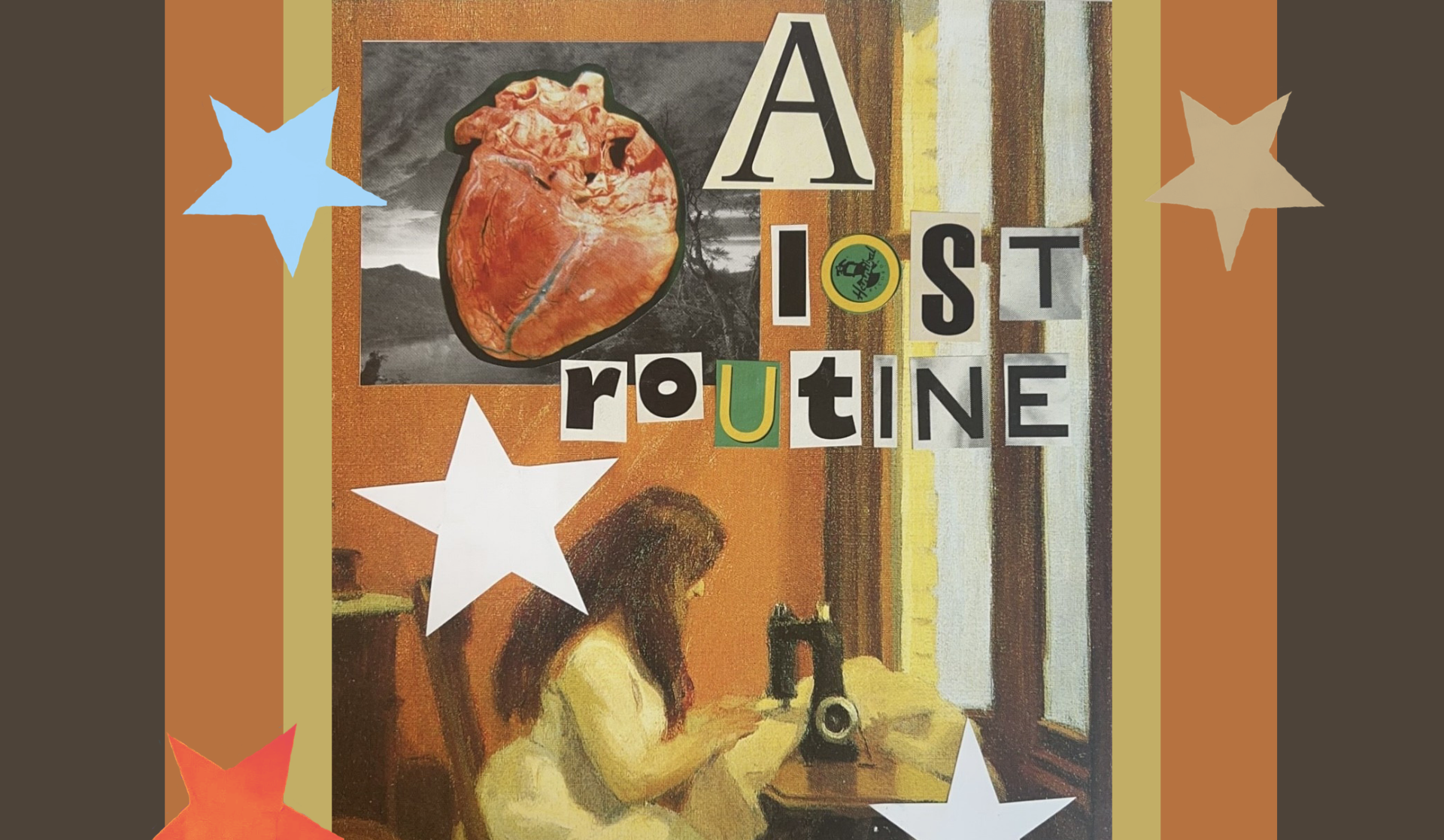
The first night, I felt motivated to complete my tasks. At first, I desperately wanted to fall back asleep, but after 15 minutes I felt motivated enough to finish my homework, listen to a podcast, collage and call my mother who lives in the US In the morning, I felt no more tired than usual.
The next few days proved to be much harder. Waking up felt unnatural, I could barely keep myself awake while I read my book, and I felt more fatigued in the morning. On the fourth night I couldn’t stay awake at all.
The last two days though were surprisingly productive. During the periods of quiet wakefulness, after a few hours of sleep, I felt more revived, more awake than I had right before bed. I was motivated to do my readings and schoolwork, and also felt a spark of creativity, filling my journal with poems.
Although I was disappointed in my ability to stay awake and be productive during the experiment, I realised that modern habits and my personal environment make adapting to biphasic sleep quite difficult.
With artificial lights and frequent use of screens into the night, most people now fall asleep much later than Victorians did. Instead of spending an hour or two at 1am working, talking, or doing chores, we now extend our day and do all these things before we go to sleep. It wouldn’t necessarily make sense to switch from a monophasic to a biphasic sleep schedule today.
My environment also made it harder for me to mimic Victorian habits during the watch period. I had no chores to attend to and no one to chat with in person. Combined with artificial lights instead of lanterns or candles, it certainly negatively influenced my “heightened mental abilities”.
Although I won’t be continuing a biphasic sleep schedule, I think it could be an occasionally useful tool for when I have a great amount of work to complete and my body is too tired to get through it all in one sitting. When these opportunities arise, I may decide to do most of my work before 11 pm, when my mind is most motivated, then return to it a few hours later during the middle of the night, once I have rested my brain.
If you have insomnia and regularly wake up in the middle of the night with nothing but an itch to work and a mind ready to create, perhaps the modern monophasic sleep style isn’t for you. Perhaps you can try, on occasion, to return to your biphasic roots.