
Can the arts and AI really co-exist?
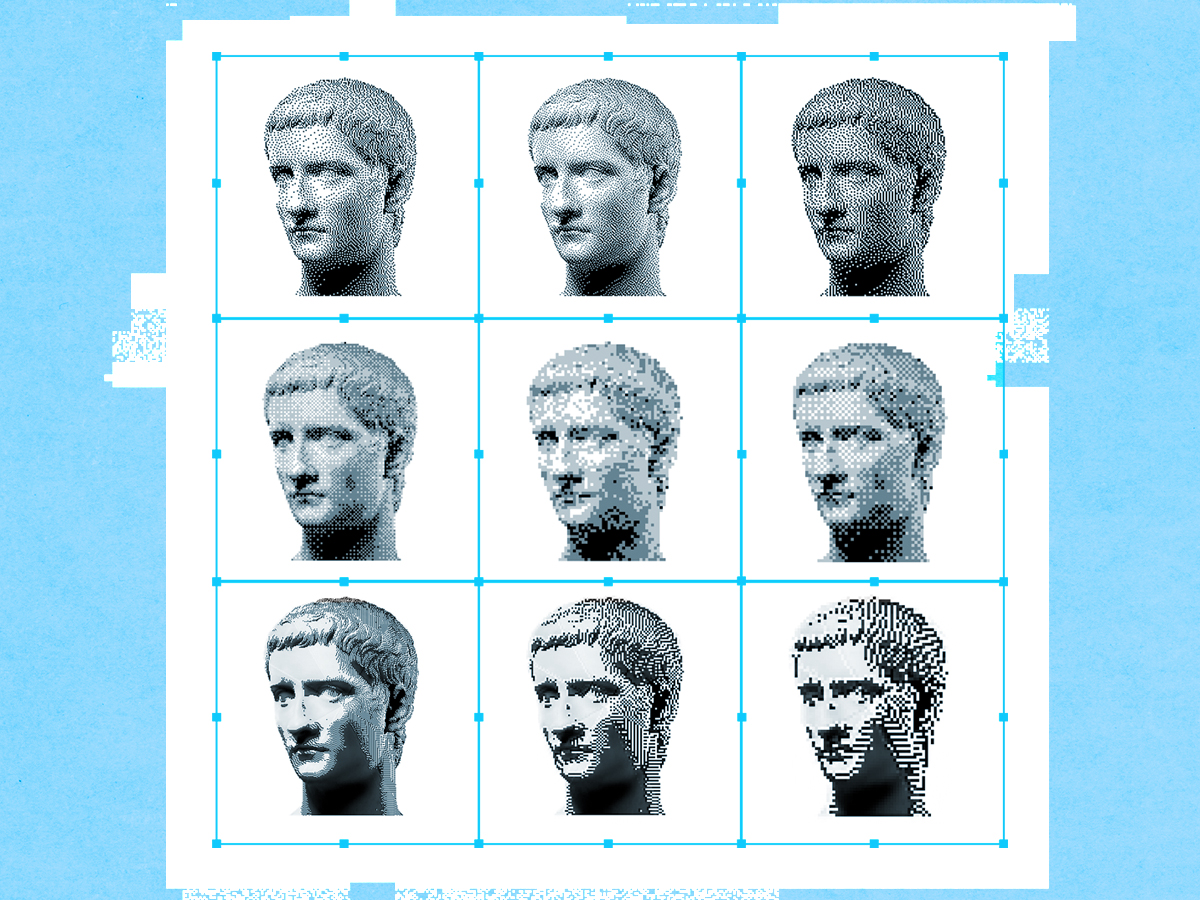
Featured Image: Joseph Coke and Nicola Cutts
AI art has entered galleries over the last couple of years, even infiltrating MoMA in their Unsupervised exhibition, which used generative technology to interpret modern art and produce new works. Meanwhile, our social media feeds are saturated in this generative content, from AI-generated Instagram reels to TikTok filters – it can feel at times as though we can’t escape the digital world.
If you ask someone in the arts their opinion on AI, more often than not, you will be met with concern shaped by the fear that an artificially intelligent system could replace them in their line of work. However, art curator for FACT Liverpool, Milia Xin Bi, has a different take on our ever-evolving technological world.
The exhibition she curated, Can Meeple Escape the Neurophoria?, opened in early February 2026 and runs until the end of April. It includes AI-centred artworks from artists across Europe. The term “Meeple” references traditional board games, inviting visitors to experience the artwork as a player capable of making decisions which affect the outcome of the art itself. The exhibition includes interactive works such as a talking coffee machine that decides whether or not to serve you based on your interaction, and a camera that narrates your movements in a David Attenborough-style manner. There’s also a Dungeons and Dragons-style board game; however, instead of a medieval setting, the player navigates a technological utopia. Rather than taking a position for or against AI, the exhibition encourages visitors to reflect on their own relationship with technology.
FACT is a cultural hub in the centre of Liverpool which displays films, art and creative technology. Milia is one of three curators participating in FACT’s ‘Curatorial Development Programme, a three-year initiative designed to support emerging curators through collaborative research and exhibitions. Originally from Shanghai and now based in Manchester, Milia has worked as a curator and writer since 2017. For Milia, AI raises the question of what constitutes creativity in the contemporary age. Her work explores humans’ relationship with technology through interactive art pieces that place the person, or “player,” at the centre.
Her research focuses on mythopoetic world-building embedded within intelligent technologies and networked media systems, which explores how technology can create versions of our real lives. This is reflected within her exhibition for FACT, in an effort to get us to creatively embrace technology. In 2022, her work was awarded a Hyundai Blue Prize Art+Tech, which supports emerging Chinese creators working at the intersection between art and technology.
I met with Milia at Manchester Metropolitan University’s School of Digital Arts, a day ahead of her participation in Double Agents: Play and Performance in Digital Worlds, a series of seminars on digital cultures hosted by Professor Kirsty Fairclough. Across both this exhibition and her wider research, Milia aims to explore how human agency and decision-making is being reshaped by intelligent technologies.
Many artists feel threatened by AI, viewing its rise as taking away creative practices, across disciplines including writing, drawing and visual art. Research by the Global Brain Health Institute shows that this may be negatively impacting our brains (link study!), as exercising creativity strengthens neural passages and helps slow down brain aging, according to a 2025 study. When AI replaces these practices, we lose the benefits while also stripping away the personality from the art form. Many graphic design jobs are also being given to AI systems rather than humans with years of training, the World Economic Forum found, making it understandable that many people are opposed.
Milia, however, questions whether AI is simply another tool for creative use. “When we create art, we have always worked with tools. A painter uses a brush, photographers work with cameras, and musicians work with instruments – you always work with a tool,” she explains.
“Before these tools may have felt more passive as your creativity was always confined within the ability or agency of the tool. But now, with AI, we are thinking of it more as a co-creator than a tool.”
Creativity is one of our great privileges as human beings, and it can feel unsettling to let technology infiltrate it in such an overwhelming way.
Lil Sanderson, a Craft Masters student at Manchester School of Art, has a passion for heritage craft, working with materials such as ceramics and paints to create art forms. “As a ceramicist, my job isn’t threatened by AI right now, but I feel like we need to stand against AI for the sake of the other people in the arts industry are at risk,” Sanderson explained. She adds that many artists feel they must now compete with AI to get jobs.
As an artist, Sanderson does not believe AI artwork has the same qualities as human-produced pieces. “I don’t think AI can mirror human creativity, and I don’t think it should even try to,” she says. “The imperfections and human error are what give a piece of art work its ‘spirit’. It’s generations of tactics, knowledge and learnt skill that makes craft what it is today. AI can learn the history of craft but it can never experience craft in itself.” She adds: “AI can’t replicate the creative questioning that goes into developing a craft, which helps us [as artists] connect with the piece on a profound level.”
There is still a lot of uncharted territory when it comes to technology’s place in the art world, but Milia urges that we have a responsibility to our audiences to be open. “It’s important we make these things transparent – what language models, systems, and devices we’re showing them – but at the same time, not affecting their agency in how they consume the media,” she says. However, as many jobs in the arts are now being replaced by AI systems, Sanderson adds: “We all have a responsibility to say: yes we can use AI – but should we?”