Feature image: James A. Demetriou
Intense up-close thrashing camera shots, shouting, spitting and stabbing. This is the only way to describe Wasteman’s wild insight into the UK prison eco system.
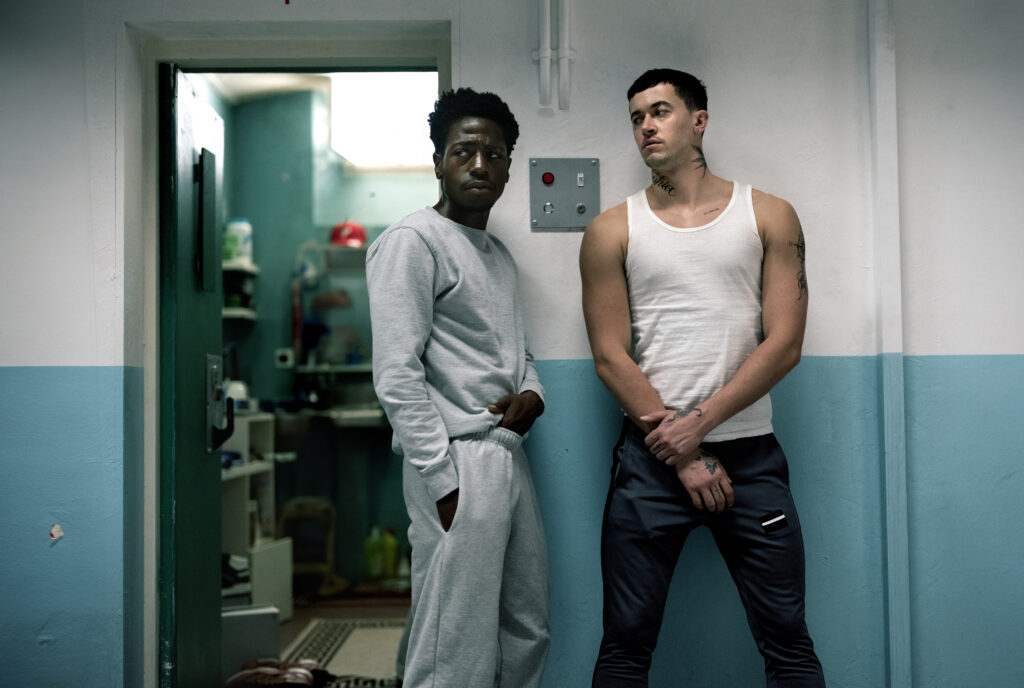
We are introduced to our protagonist Taylor (played by David Jonsson), an inmate with a drug dependency who is pending release. Following the hospitalisation of his previous cellmate, he is in need of a new bunkie. That position is filled by Dee (played by Tom Blyth): a violent, aggressive and overbearing force that disrupts Taylor’s relatively mundane and numbing reality.
The performances given by Jonsson and Blyth are nothing shy of outstanding. The two represent polarising embodiments of the imprisoned criminal. Wasteman challenges the morality that can be found in the prison system, one man’s purgatory can be another’s playground. Ultimately we are left questioning the logistical state of the prison system: should these individuals (who ultimately committed similar crimes) not only be in the same prison, but the same cell? The film presents us with a violent criminal who prides himself on the actions that have led to his incarnation, and a pacifist who made a youthful mistake out of desperation – and yet the pair possibly committed very similar crimes.
The set for this concrete jungle is Shepton Mallet, once the oldest operating prison in the UK and now a heritage site that has been the setting for films such as Paddington 2 and the zombie thriller Intimate Zero. Unfortunately, this story couldn’t be solved by marmalade sandwiches rustled up by a talking bear.
Wasteman’s narrative is a well packaged and easy to follow intense ride that pulls no punches; the brutality of prison life is conveyed through the internal pain felt by Taylor and the outward destruction delivered by Dee and other convicts. The cell ambush scene is the epitome of this sentiment. After Dee begins selling drugs, he clashes with alpha inmates Gaz and Paul (played by Corin Silva and Alex Hassell), which concludes with the two attacking Dee in his cell. The scene consists of violence at its most wince-inducing, a sea of blows that leaves Dee unconscious as Taylor cowers in the corner as he witnesses the bloody affair. It’s all filmed on Gaz’s phone camera which the shot cuts to as the attack drags on. It’s raw, demoralising, animalistic and sets the tone for what’s to follow.
Wasteman’s prison life is captured in a raw way that adds an intimate layer of realism. Everything from bone-crunching fights, drug-induced cell parties and creative methods of smuggling contraband, to activities as simple as playing a game of cards and giving a cellmate a haircut. It perfectly encapsulates both ends of the spectrum, making each scene more authentic and harrowing. This is communicated through the cinematography, with scenes often being shot through a mobile phone camera as well as the thrashing, shaky camera work during brawls which hurls the viewer into the midst of the madness.
The pressure builds as the narrative progresses leaving the audience in a tense limbo questioning the outcome. Taylor is backed into a metaphorical corner due to Dee threatening his son, leaving Taylor in a state of both hopelessness and concern for his clouded future as his release back into society looms. The final scene perfectly portrays the anxiety Taylor is feeling, through a painfully long holding shot as the prison gates are seconds away from being opened which had me questioning if this would conclude in a similar manner to Layercake and Joker: Folie à Deux. This is such a blunt and unembellished depiction of UK prison culture, a melting pot of claustrophobic intensity and a sense of uncertainty that translates beautifully to the screen.






Leave a reply