
Opinion: “Originality is dying and repeated adaptations are responsible”
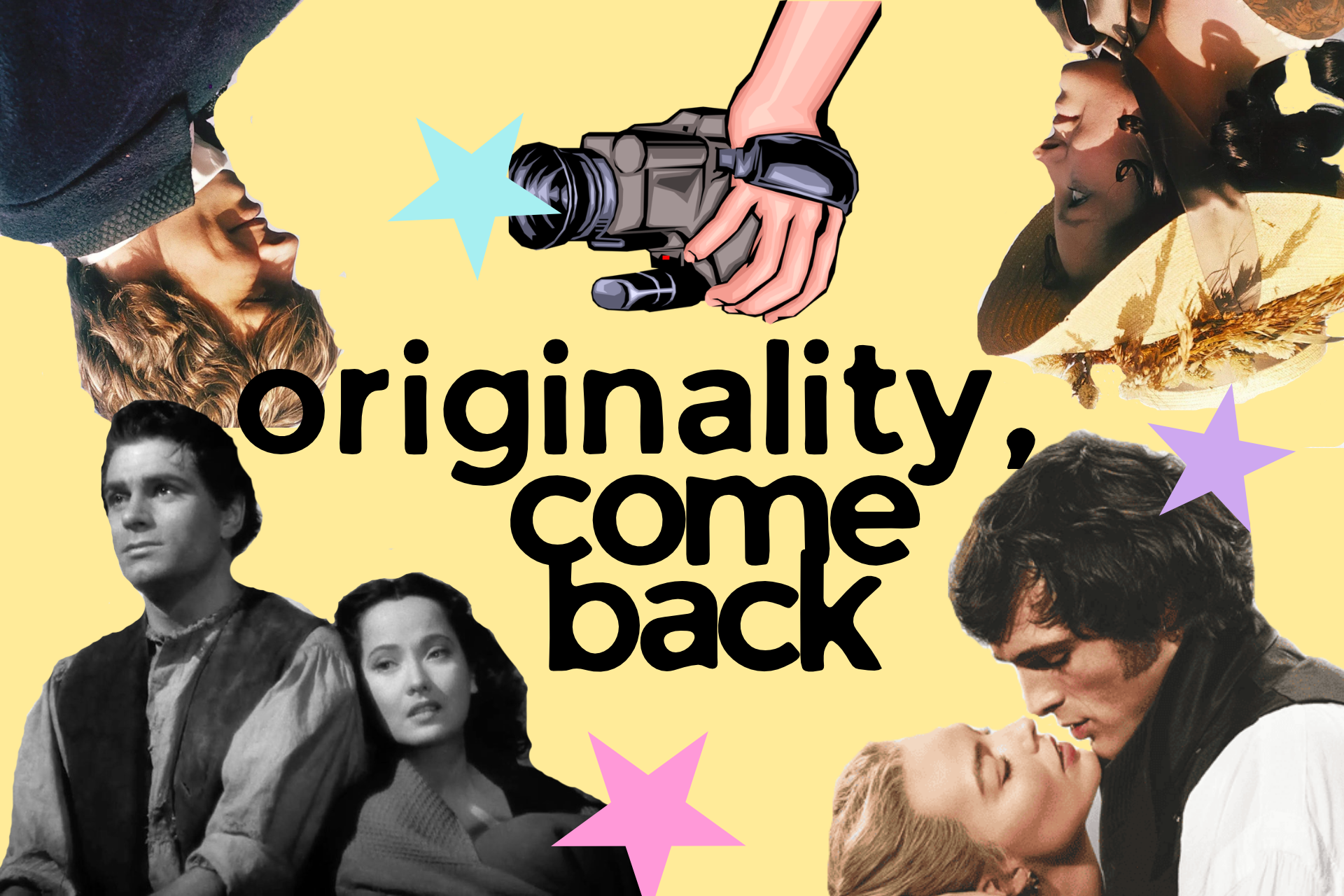
Featured image: Kat Rhoads
Check your local cinema showtimes or log in to any streaming platform, and you are likely to find a book adaptation. Sense and Sensibility, Pride and Prejudice, Frankenstein, The Odyssey, Wuthering Heights and Carrie are among the book adaptations that have received, or are set to receive, screen adaptations in 2026.
It is not a new phenomenon. Some of the most loved films are adaptations, including Shrek, Forrest Gump, and Legally Blonde. These productions have benefited for both the film and publishing industries, with adaptations making over 50% more revenue than original screenplays in the top-grossing films from 2020 to 2024, according to the Publishers Association.
For readers, seeing an iconic novel brought to life on the big screen can feel magical. However, the growing popularity of adaptations raises an important question: why are we seeing so many familiar stories instead of innovative ideas? Are original ideas no longer prevalent, or are they becoming increasingly rare?
Two truths can be true at once: adaptations are great for attracting audiences and introducing new readers to the classic literature. At the same time, repeatedly recreating the same stories risks diverting attention and opportunities away from new ideas that deserve a chance to become just as beloved.
The issue is not with adapting books for the screen in the first place. Adaptations of books such as Heated Rivalry, People We Meet on Vacation and The Love Hypothesis, for example, bring different characters and contemporary themes to the screen, introducing modern novels to new audiences. The problem lies with projects that remake the same stories repeatedly, leaving audiences with yet another version of a narrative they can recite by heart.
This reliance on familiar stories raises concerns about the future of originality. When established narratives dominate, new projects struggle to attract the same level of publicity, investment and attention.
Originality risks becoming a casualty of an industry increasingly reliant on familiar stories. When audiences are repeatedly presented with the same narratives, opportunities for artists to experiment with new ideas may become more limited, as there is less incentive to take risks on unfamiliar concepts. This cycle could also affect audiences themselves. The fewer original stories we encounter, the fewer opportunities we have to explore unfamiliar perspectives and imagine worlds beyond those we already know.
Research from the University of York suggests that reading can stimulate our imagination more effectively than watching television, raising questions about what we might lose when storytelling becomes increasingly repetitive.
One possible explanation lies in the economics of filmmaking. Production companies operate within strict budgets and face pressure to deliver commercial success. Stories with established fan bases and recognisable titles can appear to be safer investments than unfamiliar concepts.
The problem becomes clear when we consider that market-tested ideas claim a larger share of production budgets because they are perceived as more likely to generate revenue than unfamiliar stories. Innovative stories risk remaining unknown untold because the market prioritises established narratives, creating a seemingly endless cycle. We cannot prioritise economic security at the expense of creative experimentation.
Of course, adaptations can be done brilliantly. It is fun to watch your favourite lines being acted out on screen, bringing to life what you once imagined in your mind. However, there is a line that needs to be drawn: there is no need to remake the same story several times.
The answer is not to stop adapting books altogether. Instead, we should question why certain stories are revisited so frequently while others struggle to gain recognition.
Supporting innovative adaptations and less recognised books and screenplays can be an alternative to seek balance between original stories and repeated adaptations. It is about making an effort to give unrecognised stories an opportunity to grab part of the spotlight.
So, perhaps watching the new East of Eden show might make you reach for the book after. By all means, go and read it. But don’t stop there. Discover unfamiliar authors, travel into fictional worlds you have never encountered and give your imagination the freedom to explore something new. After all, the next story that captures the world’s attention might be one we’ve not heard of yet.