
‘Wake up babe, we all broke’: What the new Met Gala 2027 theme tells us about the future of fashion
By Evie Atkins | Featured image: Imogen Burgess
With ‘extraORDINARY: Fashion and the Poetics of the Everyday’, the Met Gala is turning its attention to the beauty of the everyday. But what does this unexpected shift tell us about the future of fashion?
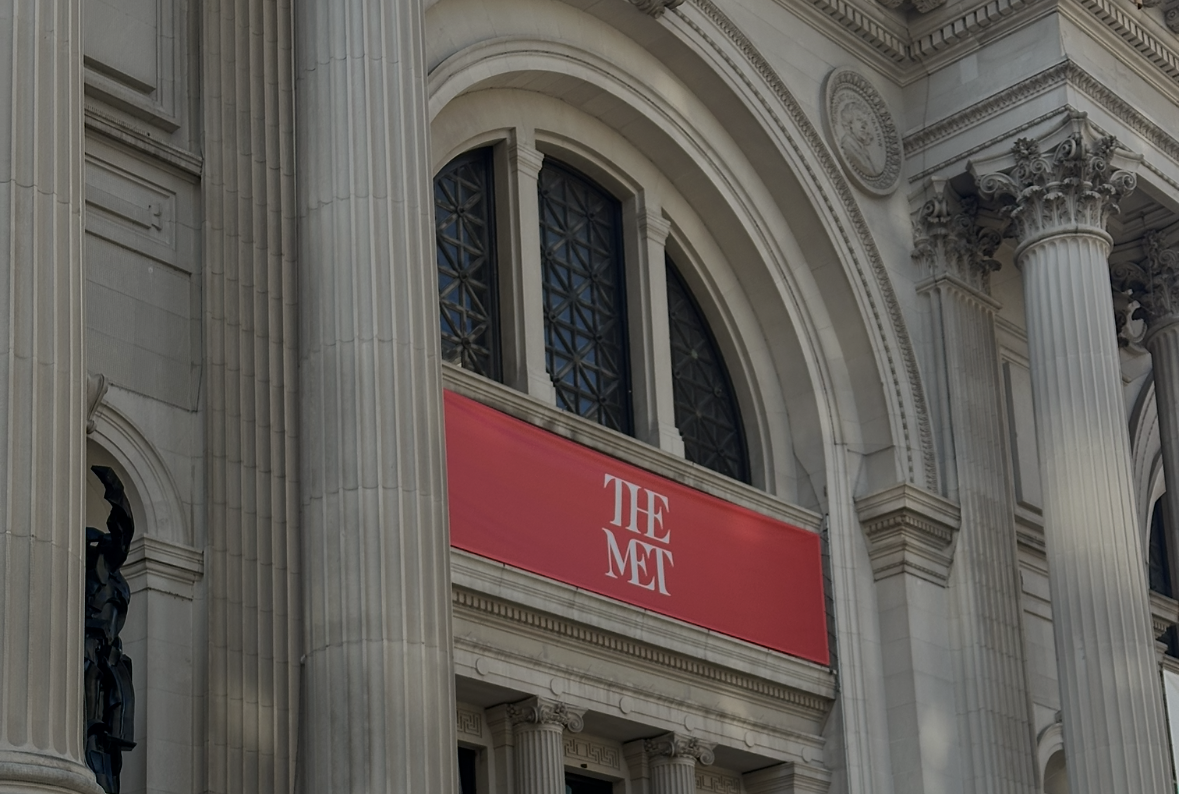
After a long three months of anticipation, Vogue and The Metropolitan Museum of Art have officially (re)announced the theme for the 2027 Met Gala.
As one Instagram commenter aptly puts it: ‘Wake up babe, we all broke!’ Perhaps the shift towards everyday essentials, familiar garments and wearable fashion is more reflective of the times than we might think. Fashion Editor Evie Atkins explores what the new concept tells us about the future of fashion.

‘extraORDINARY: Fashion and the Poetics of the Everyday’ replaces ‘John Galliano: Horizons’ after the withdrawal and subsequent cancellation on 31st July. The originally planned tribute to one of fashion’s most influential designers was abandoned following significant public criticism surrounding Galliano’s controversial past. So, what can we expect from this change, and what does it tell us about the future of fashion?
The new Met Gala theme was certainly not one we were expecting, but it has already piqued interest across the fashion world. As we sit glued to our screens every first Monday in Ma, waiting to see what impeccable outfit Zendaya will be wear or what uninspiring suit someone’s husband will turn up in, the intrigue surrounding this polarising theme continues to build.
As conversation around the new theme gained momentum, fans and media outlets online speculated about a potential shift in recognition from one designer to another. After all, this would have been only the Met Gala’s third-ever celebration of a living designer’s legacy. But the Costume Institute had something entirely different in mind.
As Andrew Bolton, curator of the Costume Institute and the creative mind behind the Met Gala’s concepts, explained: “I wanted it to be as challenging and as provocative and as beautiful as a John show would have been… It had to have some sort of contemporary resonance.” And contemporary resonance is precisely what the new theme offers.
‘Devoted to familiar garments and commonplace materials rendered remarkable’, the 2027 exhibition will centre on the ‘unsung beauty’ of everyday essentials. Think the classic ‘jean and a nice top’ combination, usually reserved for a night out at the bars across town. Except this time, it’s on the red carpet, challenging visitors ‘to see the everyday anew’.
But is moving from ‘Heavenly Bodies’ to ‘Costume Art’ really what Met Gala fans want to see? Given the extravagance and imagination of previous themes, ‘extraORDINARY’ risks feeling like we are losing sight of complex, nuanced fantasies that have made the event so compelling. Are we moving away from fashion as escapism and towards an altogether more mundane, monotonous era?
Perhaps this shift has been a long time coming. Last May, model Bhavitha Mandava made her Met Gala debut in custom Chanel silk jeans (or jeggings…?) paired with a quarter-zip ensemble. Her look reflected an emerging willingness to celebrate wearability, placing everyday garments on the same pedestal as the elaborate craftsmanship traditionally associated with the Met.
In many ways, the theme simply solidifies a broader shift happening across fashion. More people are buying second-hand, replacing overflowing wardrobes with carefully curated capsules and placing greater value on the longevity of their clothes. There is also a growing emphasis on investing into personal style rather than seasonal trends dictated by what the ‘fashion girlies’ have decided is the next must-have winter shoe to replace the flip-flop. Maybe it is just a sign that we’re all going broke…
But reducing the Met Gala theme to something resembling a university student’s Pinterest board would be too simplistic. What we need to understand is that this shift encourages us to find the meaning in the comfort of what we already own, making the familiar aspirational in its own right. ‘extraORDINARY’ isn’t asking us to escape normality; it wants us to look closer at it.
The future of fashion might not always be found in the most whimsical runway show or the next micro-trend circulating social media. Perhaps it’s time we started appreciating the most important garments in our wardrobes – the ones we already own – and seeing them in a new light. After all, next May, even the everyday will have its moment on the Met Gala carpet.